Social research and
evaluation professionals
We investigate complex social phenomena. We evaluate social intervention programmes


Ricard Faura Cantarell, PhD
Doctor in Social Psychologist & Anthropologist
To offer society applicable knowledge to improve the quality of life of mankind.
Episteme’s vision is to become a European benchmark in the field of applied social research and public policy evaluation by applying scientific knowledge to improve the living conditions of the most disadvantaged groups.
At Episteme, our mission is to generate applied knowledge so that public administrations and third social sector organisations can improve their intervention processes with vulnerable populations. We engage in this commitment through the application of the best available scientific evidence, the defence of Human Rights and a robust methodology adapted ad hoc to each situation. We seek to implement the most innovative, effective, efficient and effective solutions to mitigate the negative impacts of social problems on people’s lives.
Episteme Social is constituted in Barcelona as an international group of scientific researchers specialising in reserach, training and social evaluation. Our team is made up of a dozen multidisciplinary professionals with extensive national and international experience, both in academia and in research and field work, in areas such as anthropology, social psychology, public health and psychiatry.
Episteme Social offers professional support in training, research, evaluation and social intervention in order to improve the implementation of social programmes and projects through innovation in design, theoretical foundations and the development of evaluation instruments, supported by cutting-edge science. We work with public administrations, as well as with international private entities.
[metaslider id=”9515″]
The theoretical foundations of our project are based on the critical and comprehensive currents of the social sciences. Among the different methods used, we highlight the genealogical method because it allows us to understand the socio-historical processes that have made possible and shape the different phenomena under study, and ethnography, which enables us to account for the social reality in which the protagonists of our work live. An in-depth knowledge of the processes and collectives is essential in order to intervene and improve their living conditions and social cohesion. Understanding the historical development in the construction of social reality is essential if we want to understand and transform it. Along these lines, our work philosophy incorporates the gender perspective, discourse analysis, the study of hegemony/subalternity and normality/abnormality processes, community processes, stigmatisation dynamics and the analysis of contextual factors.
The aim is to offer empirical work, theoretically robust, but applicable to the environment in which we want to intervene. The knowledge generated must be aimed at improving living conditions and transforming society in order to equalise the rights of vulnerable groups such as, for example, victims of stigmatisation, violence, social exclusion and drug addiction. Participation at the community level enables the empowerment of the groups involved in the intervention.
Episteme Social studies and evaluates in social reality, improving the quality of life of citizens, promoting social equity, strengthening social cohesion and ensuring human and individual rights, especially among vulnerable groups.
The application of the results should favour the implementation of effective public policies and decision-making based on scientific evidence. Episteme Social is based on the values of tolerance, respect for diversity, ethics, and the defence of human rights and individual freedoms. The tools to defend and promote our values are professionalism, rigour, transparency, social commitment and technical solvency.

David Pere Martínez Oró, PhD
Founder and director of Episteme Social. Doctor in Social Psychology.

Antoniu Llort Suárez, PhD
Founder of Episteme Social. Doctor in Medical Anthropology

Òscar Parés Franquero, Phd
Founder of Episteme Social. Anthropologist and philosopher

Joan Colom i Farran, PhD
Doctor

Tre Borràs, PhD
Medical doctor-psychiatrist

Paz Olaciregui Rodríguez, PhD
Sociologist and political scientist

Alexander Zelitchenko, PhD
Drug Policy Expert

Olatz Ribera Almandoz, PhD
Political scientist and social researcher

Nico Piñeiro López, MSc
Anthropologist and social educator

Marta Civill Cortada
Anthropologist
 https://www.epistemesocial.org/wp-content/uploads/NPS.Eng_.png
900
1600
Nicolás Elías Piñeiro López
https://www.epistemesocial.org/wp-content/uploads/Episteme_negativo.svg
Nicolás Elías Piñeiro López2026-02-11 08:10:522026-05-18 15:33:02Research into the market for NPS (new psychoactive substances) and their impact on Spanish youth.
https://www.epistemesocial.org/wp-content/uploads/NPS.Eng_.png
900
1600
Nicolás Elías Piñeiro López
https://www.epistemesocial.org/wp-content/uploads/Episteme_negativo.svg
Nicolás Elías Piñeiro López2026-02-11 08:10:522026-05-18 15:33:02Research into the market for NPS (new psychoactive substances) and their impact on Spanish youth. https://www.epistemesocial.org/wp-content/uploads/On.Eng_.png
900
1600
Nicolás Elías Piñeiro López
https://www.epistemesocial.org/wp-content/uploads/Episteme_negativo.svg
Nicolás Elías Piñeiro López2026-02-10 16:54:342026-05-26 14:41:27Nitrous Oxide. An Analysis of “Laughing Gas” Use in Spain.
https://www.epistemesocial.org/wp-content/uploads/On.Eng_.png
900
1600
Nicolás Elías Piñeiro López
https://www.epistemesocial.org/wp-content/uploads/Episteme_negativo.svg
Nicolás Elías Piñeiro López2026-02-10 16:54:342026-05-26 14:41:27Nitrous Oxide. An Analysis of “Laughing Gas” Use in Spain. https://www.epistemesocial.org/wp-content/uploads/Cartells-WEB-20.png
900
1600
Marta Civill
https://www.epistemesocial.org/wp-content/uploads/Episteme_negativo.svg
Marta Civill2026-02-04 15:33:162026-02-04 15:33:16Tékne. Evaluation of the results and effectiveness of addiction prevention programmes.
https://www.epistemesocial.org/wp-content/uploads/Cartells-WEB-20.png
900
1600
Marta Civill
https://www.epistemesocial.org/wp-content/uploads/Episteme_negativo.svg
Marta Civill2026-02-04 15:33:162026-02-04 15:33:16Tékne. Evaluation of the results and effectiveness of addiction prevention programmes. https://www.epistemesocial.org/wp-content/uploads/Cartells-WEB-17.png
900
1600
Marta Civill
https://www.epistemesocial.org/wp-content/uploads/Episteme_negativo.svg
Marta Civill2026-02-04 11:44:502026-02-04 12:02:19Temis. Evaluation of the results and effectiveness of addiction prevention programmes.
https://www.epistemesocial.org/wp-content/uploads/Cartells-WEB-17.png
900
1600
Marta Civill
https://www.epistemesocial.org/wp-content/uploads/Episteme_negativo.svg
Marta Civill2026-02-04 11:44:502026-02-04 12:02:19Temis. Evaluation of the results and effectiveness of addiction prevention programmes. https://www.epistemesocial.org/wp-content/uploads/Cartells-WEB-14.png
900
1600
Marta Civill
https://www.epistemesocial.org/wp-content/uploads/Episteme_negativo.svg
Marta Civill2026-02-04 11:38:502026-02-04 11:38:50Hipócrates. The medicalisation of older adults and its impact on quality of life. A study of the overmedicalisation of older people.
https://www.epistemesocial.org/wp-content/uploads/Cartells-WEB-14.png
900
1600
Marta Civill
https://www.epistemesocial.org/wp-content/uploads/Episteme_negativo.svg
Marta Civill2026-02-04 11:38:502026-02-04 11:38:50Hipócrates. The medicalisation of older adults and its impact on quality of life. A study of the overmedicalisation of older people. https://www.epistemesocial.org/wp-content/uploads/Cartells-WEB-11-1.png
900
1600
Marta Civill
https://www.epistemesocial.org/wp-content/uploads/Episteme_negativo.svg
Marta Civill2026-02-04 11:11:372026-02-04 11:11:37Heracles. Social rights of hidden drug-dependent populations.
https://www.epistemesocial.org/wp-content/uploads/Cartells-WEB-11-1.png
900
1600
Marta Civill
https://www.epistemesocial.org/wp-content/uploads/Episteme_negativo.svg
Marta Civill2026-02-04 11:11:372026-02-04 11:11:37Heracles. Social rights of hidden drug-dependent populations.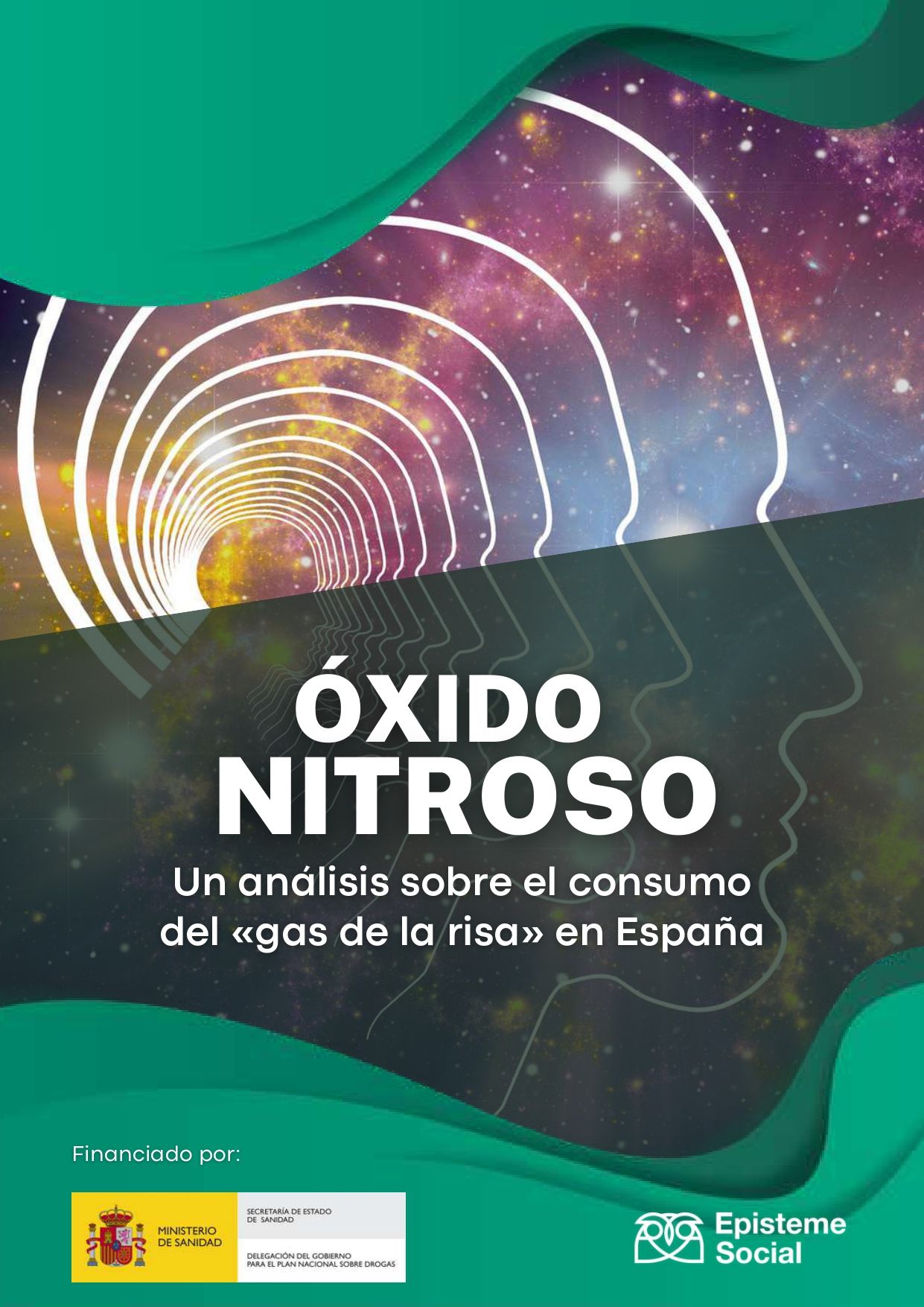 https://www.epistemesocial.org/wp-content/uploads/Portada-Oxido-nitroso_page-0001.jpg
1755
1241
Nicolás Elías Piñeiro López
https://www.epistemesocial.org/wp-content/uploads/Episteme_negativo.svg
Nicolás Elías Piñeiro López2026-05-26 14:11:152026-05-26 14:42:53NITROUS OXIDE. An analysis of “laughing gas” use in Spain.
https://www.epistemesocial.org/wp-content/uploads/Portada-Oxido-nitroso_page-0001.jpg
1755
1241
Nicolás Elías Piñeiro López
https://www.epistemesocial.org/wp-content/uploads/Episteme_negativo.svg
Nicolás Elías Piñeiro López2026-05-26 14:11:152026-05-26 14:42:53NITROUS OXIDE. An analysis of “laughing gas” use in Spain.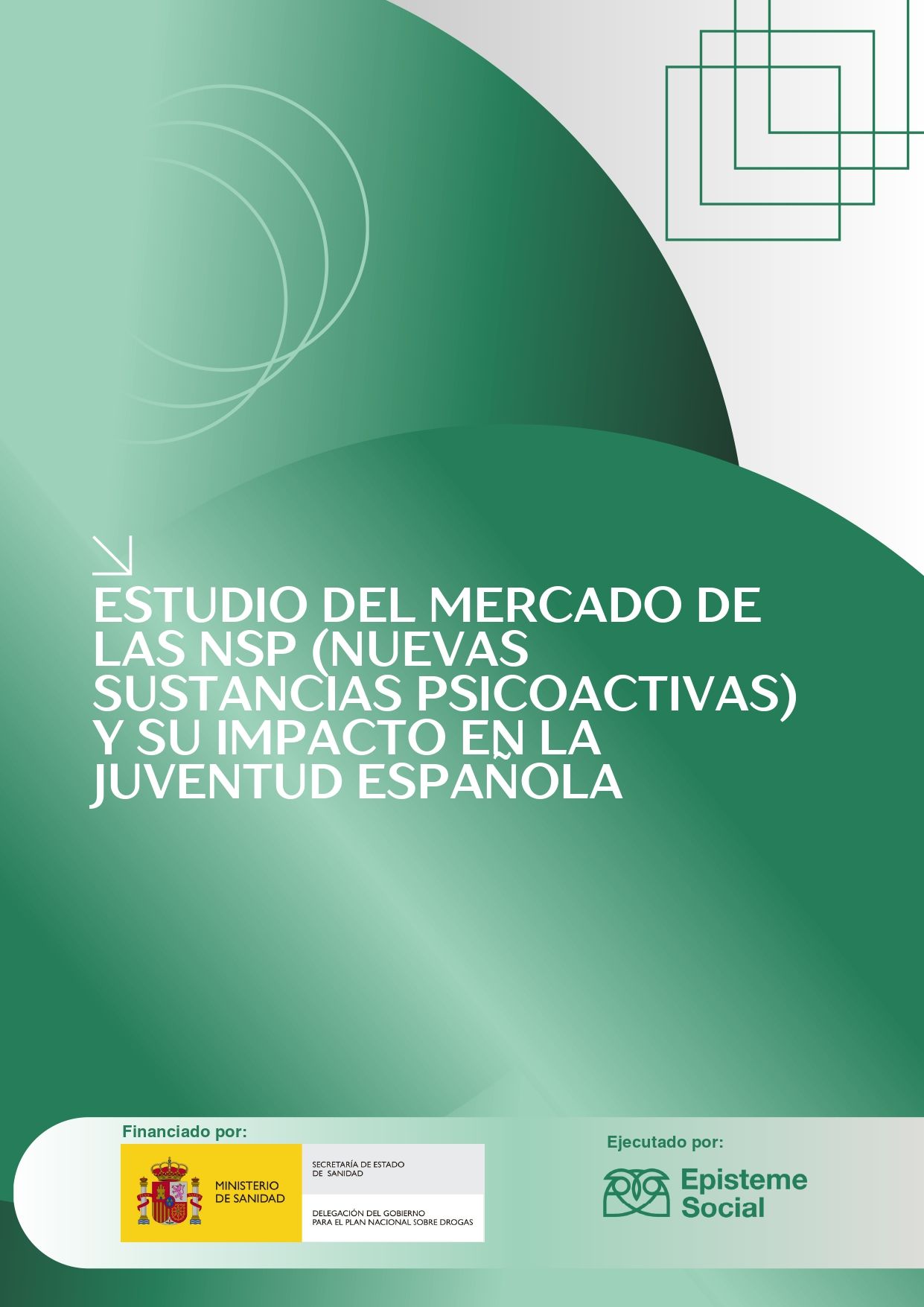 https://www.epistemesocial.org/wp-content/uploads/Portada-NPS_page-0001.jpg
1755
1241
Nicolás Elías Piñeiro López
https://www.epistemesocial.org/wp-content/uploads/Episteme_negativo.svg
Nicolás Elías Piñeiro López2026-05-18 16:25:502026-05-26 12:39:11Study of the NPS (new psychoactive substances) market and its impact on Spanish youth.
https://www.epistemesocial.org/wp-content/uploads/Portada-NPS_page-0001.jpg
1755
1241
Nicolás Elías Piñeiro López
https://www.epistemesocial.org/wp-content/uploads/Episteme_negativo.svg
Nicolás Elías Piñeiro López2026-05-18 16:25:502026-05-26 12:39:11Study of the NPS (new psychoactive substances) market and its impact on Spanish youth.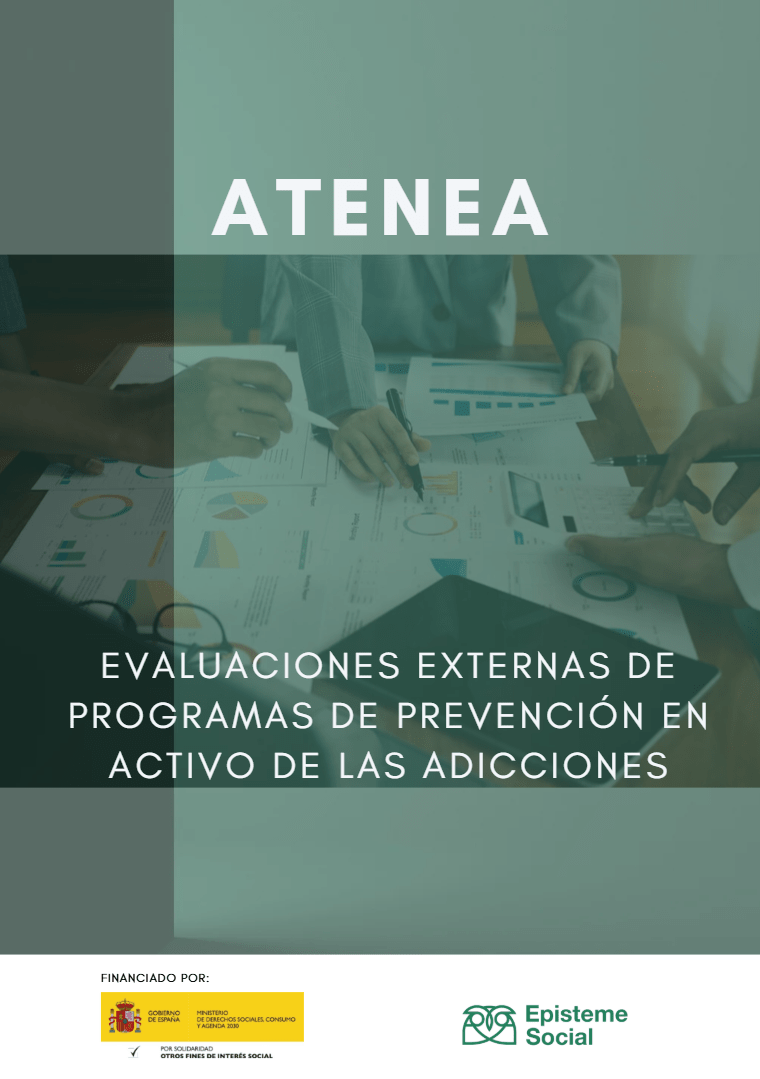 https://www.epistemesocial.org/wp-content/uploads/Captura-de-pantalla-2025-12-17-091726.png
1079
760
Marta Civill
https://www.epistemesocial.org/wp-content/uploads/Episteme_negativo.svg
Marta Civill2025-12-17 09:44:112025-12-17 09:44:11ATENEA: External evaluations of active addiction prevention programmes.
https://www.epistemesocial.org/wp-content/uploads/Captura-de-pantalla-2025-12-17-091726.png
1079
760
Marta Civill
https://www.epistemesocial.org/wp-content/uploads/Episteme_negativo.svg
Marta Civill2025-12-17 09:44:112025-12-17 09:44:11ATENEA: External evaluations of active addiction prevention programmes. https://www.epistemesocial.org/wp-content/uploads/Portada-Afrodita-8.png
2000
1414
Marta Civill
https://www.epistemesocial.org/wp-content/uploads/Episteme_negativo.svg
Marta Civill2025-12-16 12:41:402025-12-16 12:42:05Afrodita: Pleasures, consumption and the construction of realities through virtual pornography.
https://www.epistemesocial.org/wp-content/uploads/Portada-Afrodita-8.png
2000
1414
Marta Civill
https://www.epistemesocial.org/wp-content/uploads/Episteme_negativo.svg
Marta Civill2025-12-16 12:41:402025-12-16 12:42:05Afrodita: Pleasures, consumption and the construction of realities through virtual pornography. https://www.epistemesocial.org/wp-content/uploads/Portada_mexic.jpg
1266
892
Nicolás Elías Piñeiro López
https://www.epistemesocial.org/wp-content/uploads/Episteme_negativo.svg
Nicolás Elías Piñeiro López2025-12-15 16:39:552025-12-15 17:09:35Person-centered, evidence-based treatment guide for fentanyl and methamphetamine use disorders in Mexico
https://www.epistemesocial.org/wp-content/uploads/Portada_mexic.jpg
1266
892
Nicolás Elías Piñeiro López
https://www.epistemesocial.org/wp-content/uploads/Episteme_negativo.svg
Nicolás Elías Piñeiro López2025-12-15 16:39:552025-12-15 17:09:35Person-centered, evidence-based treatment guide for fentanyl and methamphetamine use disorders in Mexico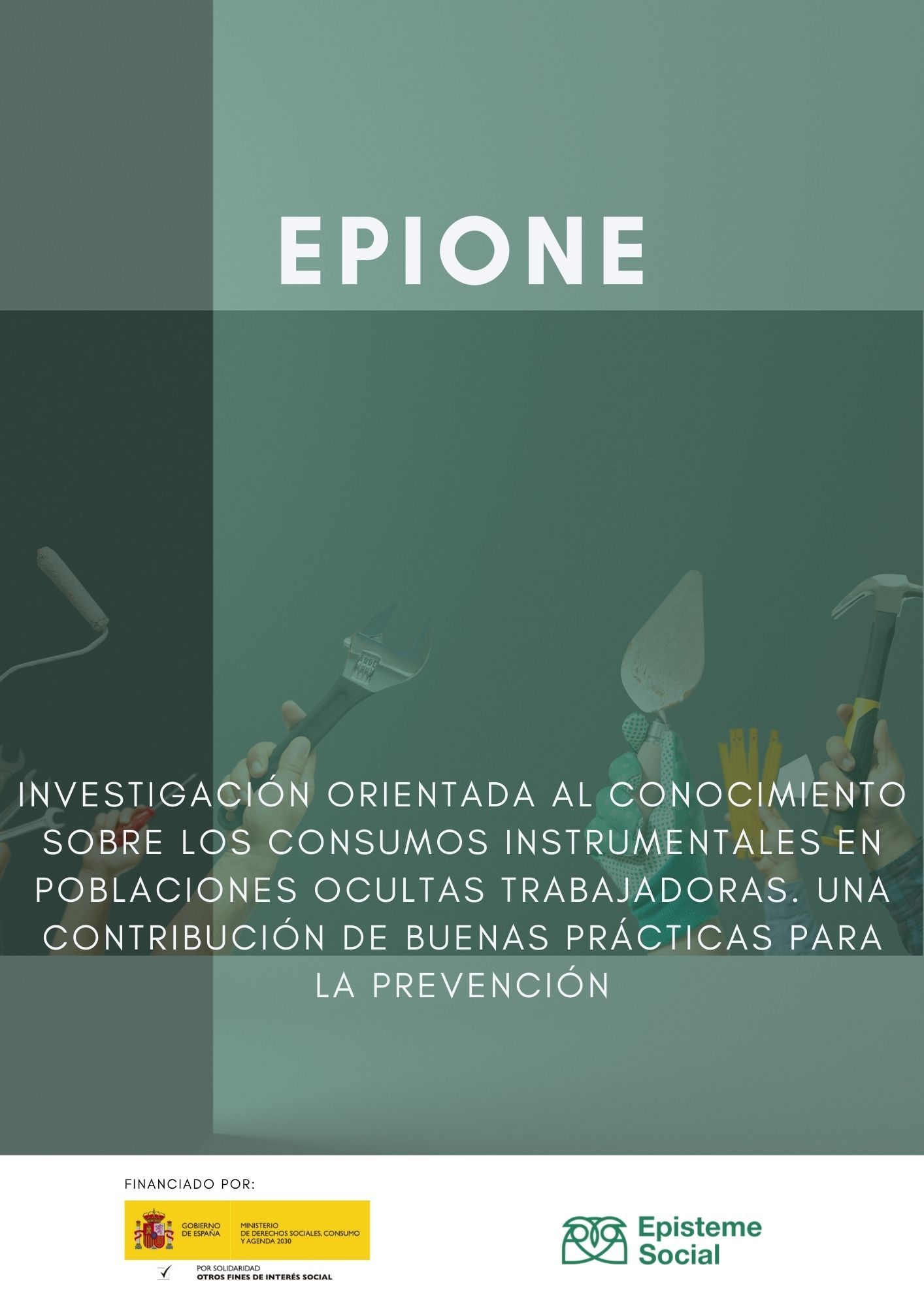 https://www.epistemesocial.org/wp-content/uploads/Portada-epione.jpg
2000
1414
Nicolás Elías Piñeiro López
https://www.epistemesocial.org/wp-content/uploads/Episteme_negativo.svg
Nicolás Elías Piñeiro López2025-12-15 16:00:502026-01-15 14:41:55EPIONE. Knowledge-oriented research on instrumental consumption among hidden working populations. A contribution of best practices for prevention.
https://www.epistemesocial.org/wp-content/uploads/Portada-epione.jpg
2000
1414
Nicolás Elías Piñeiro López
https://www.epistemesocial.org/wp-content/uploads/Episteme_negativo.svg
Nicolás Elías Piñeiro López2025-12-15 16:00:502026-01-15 14:41:55EPIONE. Knowledge-oriented research on instrumental consumption among hidden working populations. A contribution of best practices for prevention. https://www.epistemesocial.org/wp-content/uploads/portada-171-1.png
570
407
Nicolás Elías Piñeiro López
https://www.epistemesocial.org/wp-content/uploads/Episteme_negativo.svg
Nicolás Elías Piñeiro López2025-07-30 12:54:062025-07-30 16:46:17Guide for line 171 (option 6) Telephone assistance for people experiencing mental health crises and problematic drug use
https://www.epistemesocial.org/wp-content/uploads/portada-171-1.png
570
407
Nicolás Elías Piñeiro López
https://www.epistemesocial.org/wp-content/uploads/Episteme_negativo.svg
Nicolás Elías Piñeiro López2025-07-30 12:54:062025-07-30 16:46:17Guide for line 171 (option 6) Telephone assistance for people experiencing mental health crises and problematic drug use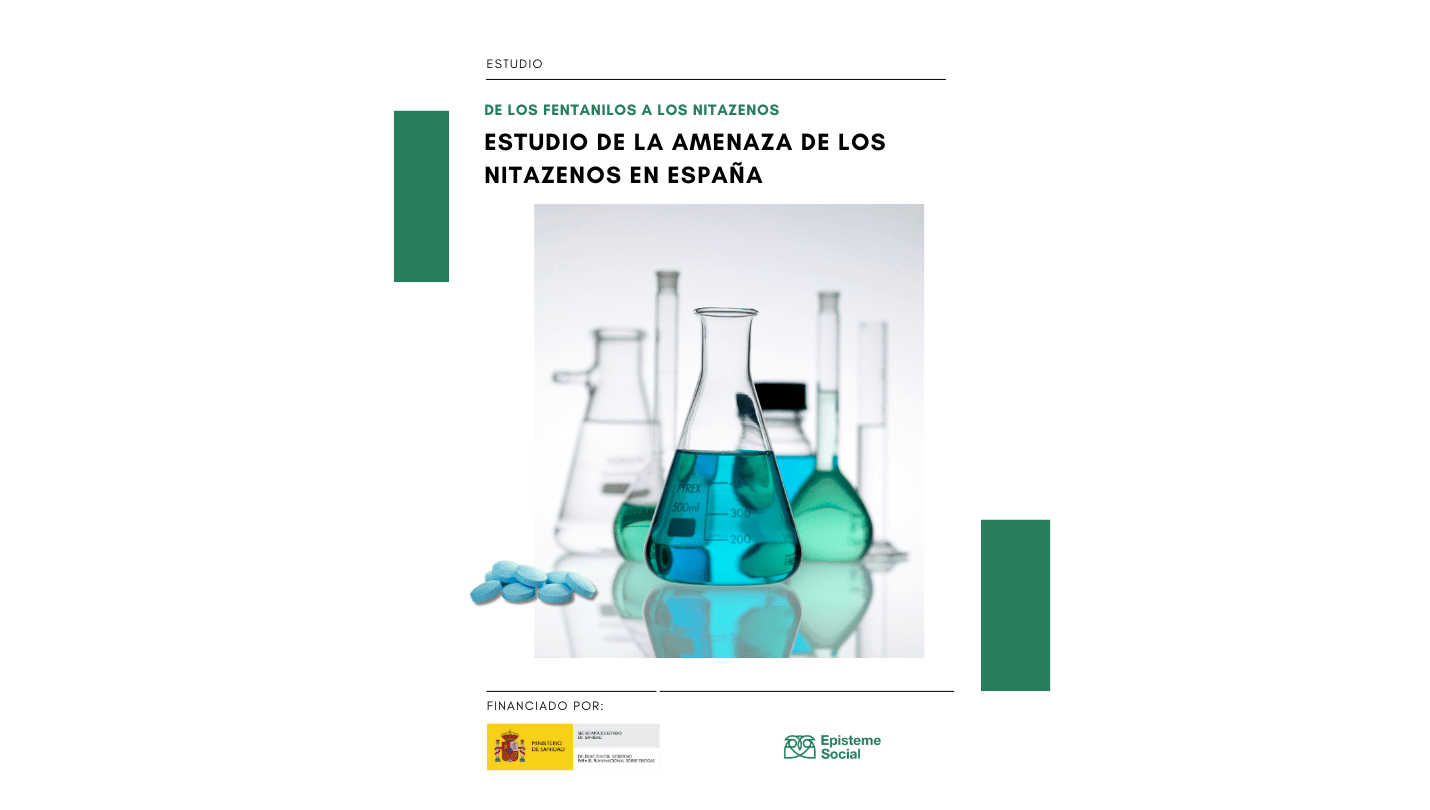 https://www.epistemesocial.org/wp-content/uploads/ESTUDIO-DE-LA-AMENAZA-DE-LOS-1-1.png
810
1430
Nicolás Elías Piñeiro López
https://www.epistemesocial.org/wp-content/uploads/Episteme_negativo.svg
Nicolás Elías Piñeiro López2025-02-15 14:58:362025-07-30 09:42:39From fentanyls to nitazenes. A study on the threat of nitazenes in Spain
https://www.epistemesocial.org/wp-content/uploads/ESTUDIO-DE-LA-AMENAZA-DE-LOS-1-1.png
810
1430
Nicolás Elías Piñeiro López
https://www.epistemesocial.org/wp-content/uploads/Episteme_negativo.svg
Nicolás Elías Piñeiro López2025-02-15 14:58:362025-07-30 09:42:39From fentanyls to nitazenes. A study on the threat of nitazenes in Spain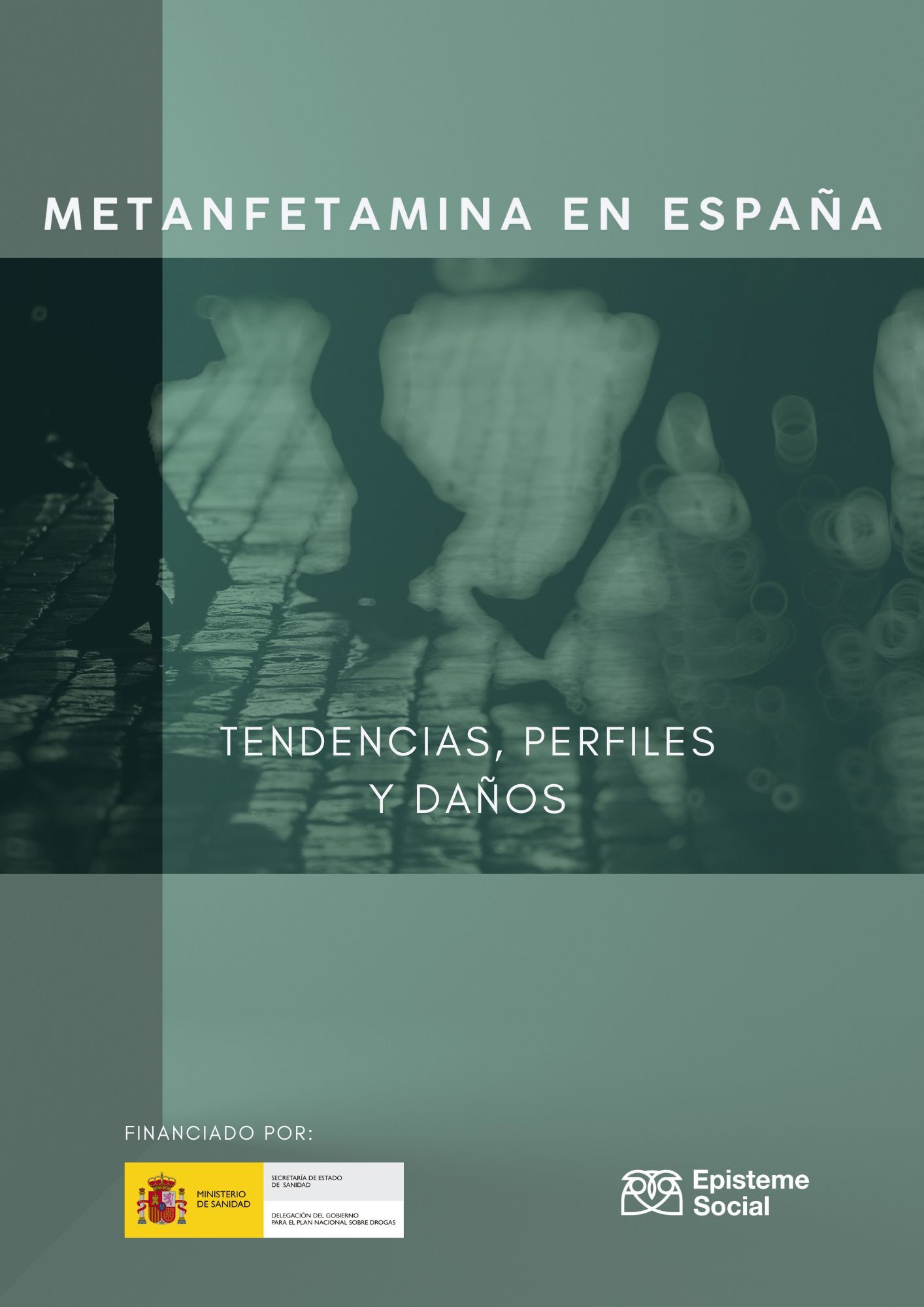 https://www.epistemesocial.org/wp-content/uploads/Portada-Meth-1-2.pdf.jpg
2000
1414
episteme
https://www.epistemesocial.org/wp-content/uploads/Episteme_negativo.svg
episteme2025-02-10 10:37:262025-07-30 09:45:00Methamphetamine in Spain: trends, profiles and harm.
https://www.epistemesocial.org/wp-content/uploads/Portada-Meth-1-2.pdf.jpg
2000
1414
episteme
https://www.epistemesocial.org/wp-content/uploads/Episteme_negativo.svg
episteme2025-02-10 10:37:262025-07-30 09:45:00Methamphetamine in Spain: trends, profiles and harm. https://www.epistemesocial.org/wp-content/uploads/Portades-plans-1.png
2000
1414
Marta Civill
https://www.epistemesocial.org/wp-content/uploads/Episteme_negativo.svg
Marta Civill2024-10-29 11:54:322025-07-30 10:47:17Terrassa Addiction Prevention Plan
https://www.epistemesocial.org/wp-content/uploads/Portades-plans-1.png
2000
1414
Marta Civill
https://www.epistemesocial.org/wp-content/uploads/Episteme_negativo.svg
Marta Civill2024-10-29 11:54:322025-07-30 10:47:17Terrassa Addiction Prevention Plan
(+34) 622 367 904
info@epistemesocial.org
C/ Floridablanca, 146, 3-1, 08011
Barcelona


© Episteme. Research and Social Evaluation • All rights reserved • Legal Notice and Privacy Police •


