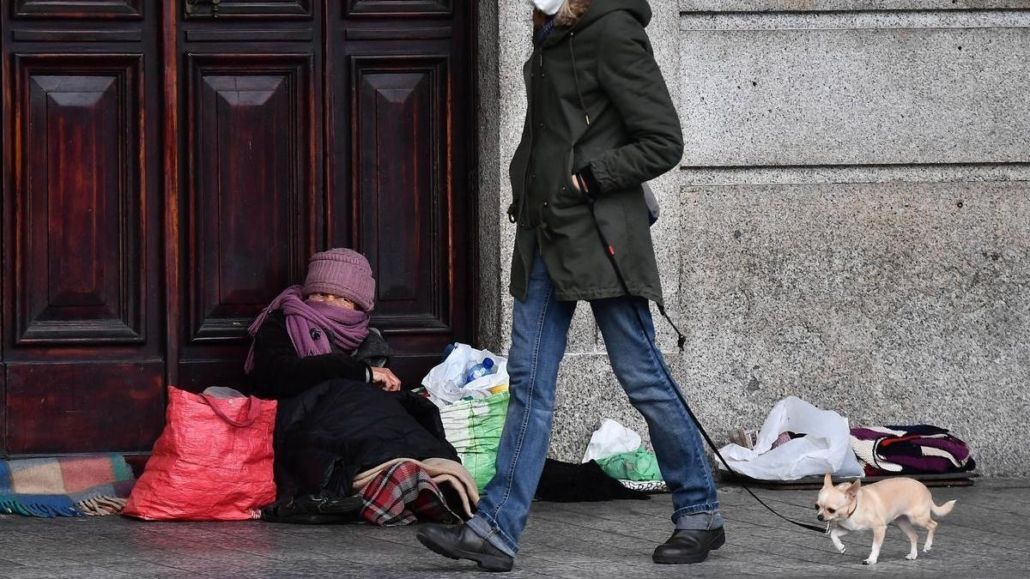
Addiction, Poverty, and Gender: Lives at Risk and Barriers for Women in Hidden Drug-Dependent Populations
Addiction, Poverty, and Gender: Lives at Risk and Barriers for Women in Hidden Drug-Dependent Populations
By Ana Campaña
Being a woman in the realm of addiction means that stigma, exclusion, and violence are far more pronounced than for men, which in turn exacerbates marginalisation. The material and symbolic barriers faced by women are intertwined with a gender component that obstructs the effective exercise of their rights to autonomy and identity. They bear the burden of defying gender mandates and the social constructs of “the good woman” and “the good mother” (Estibaliz, 2016; Rojas, 2016; Episteme, 2021; Maneses Falcón, 2006; Romo, 2016). Consequently, society does not only degrade, penalise, and judge them for their addiction, but they also end up stigmatising and marginalising themselves.
In this article, readers will find an introductory summary of the findings from the research conducted by Episteme Social titled Diké: Social Determinants of Health and Lifestyles in Hidden Populations with Addiction Problems. The study examines gender and poverty as primary risk factors that perpetuate and amplify addiction. The full results will be published in late December 2023. The research was conducted in the main cities of seven Autonomous Communities (Catalonia, Madrid, Aragon, Asturias, Valencia, Murcia, and Andalusia).
The methodology involved 32 interviews with drug-dependent women from hidden populations. These populations are termed “hidden” because they operate on the fringes of society and have limited access to social and healthcare services. The study focuses on drug-dependent women engaging in prostitution to sustain their consumption and Roma women whose drug dependency compounds an already deteriorated social image. The research delves into sociohistorical perspectives to identify the elements and factors shaping at-risk lives. These are lives in which women must not only battle the stigma of addiction but also confront intersecting axes of oppression that relegates them to devalued social positions.
On one hand, the data reveal similarities with their male counterparts: violent childhoods, high levels of poverty, physical and mental illnesses, low educational attainment, experiences with the penal system, or homelessness. However, the study aims to explore how these risk factors behave when gender becomes a variable in poverty contexts. This approach allowed us to identify profiles of the most disadvantaged women and those exposed to higher risks based on factors such as age, ethnic minority status, residence, and other poverty-associated variables.
Two key issues emerge: first, patriarchal violence manifests distinctly in the lives of women who use drugs. Second, the moral judgements imposed on female drug users are a critical factor worsening their physical and mental health. The interviews revealed recurring experiences of sexual assault, intimate partner violence, and child custody loss. Emotionally, feelings of shame for failing to meet standards of femininity, guilt for perceived failure in their roles as “ideal mothers” or “exemplary wives,” and narratives of redemption stand out. These emotional struggles forge a sense of grievance and a limiting self-perception (Episteme, 2021).
A symbolic barrier is central to understanding why many women do not seek assistance from services: their self-esteem is so damaged by the stigma they have endured that they believe seeking help is futile or fear further failure when engaging with resources. The harsher social sanctions women face for the same behaviour—drug use—highlight differences between the “addicted life” of men and women. Prostitution serves as a stark example of this disparity. According to the women we interviewed, for many, sex work is their only viable option to sustain drug use due to entrenched poverty. Crack and smoked heroin are the predominant substances consumed. Furthermore, sex work is also undertaken to meet basic needs such as food, housing, or supporting a partner’s consumption (Kopetz et al., 2015; Fernández Ollero, 2011). Drugs, their social construction, and the way laws shape the lives of users are significant when examining the poverty conditions in which drug-dependent women live. This situation forces them to adopt unregulated survival strategies that put their lives at risk.
Numerous social determinants interact to create a complex web of disadvantaged circumstances for drug-dependent women. In light of the findings, we see the institutionalisation of a gender perspective in intervention models as essential. We propose three strategic measures to address these issues. Firstly, we recommend resources focus on self-awareness, self-esteem, and empowerment through group dynamics and women-only groups. Non-mixed care groups, for instance, offer women exclusive spaces to share experiences and feel heard by peers and professionals. These groups work to dismantle gender mandates and social constructs imposed upon them. Secondly, we suggest increasing outreach interventions to reach women disconnected from the assistance network, including irregular migrant women or transgender women. Finally, we advocate strengthening intervention programmes that support and enable women to exercise their rights. Current resources include programmes assisting users with administrative procedures, from scheduling medical appointments to applying for aid or filing complaints against gender-based violence.
In conclusion, we suggest prioritising innovative and context-sensitive strategies that focus on the nuances gender introduces into drug-dependent lives. By doing so, we can help eliminate barriers to resource access for drug-dependent women and ensure their rights as citizens are upheld.
Leave a Reply
Want to join the discussion?Feel free to contribute!