Team

David Pere Martínez Oró, PhD.

David Pere Martínez Oró, PhD.

Founder and director of Episteme Social. PhD in Social Psychology.

davidpere@epistemesocial.org

Social Psychology PhD. Master’s in research in Social Psychology. Degree in Psychology from the Autonomous University of Barcelona. Postgraduate qualitative research in the field of drugs from the University of Amsterdam (2008). Trained in research in social sciences and evaluation and quality of social intervention projects. He is currently training in the EMCDDA’s European Prevention Curriculum (EUPC).

Technical Director of Episteme Research and Social Intervention. He was coordinator of the Observatory of New Drug Consumption in the youth field (2006-2010). He worked in drugs area from Government of Catalonia (2010-2014). Since 2008 he has been a professor in the studies of Psychology and Education at the Open University of Catalonia. He is a member of the Psychology and Speech Therapy Service of the Autonomous University of Barcelona and of the Research Center in Medical Anthropology of the Rovira i Virgili University.

He has devoted his research mainly to drug use in its sociocultural aspect, with special attention to normalization. He has published thirteen books. The last one: «Ludomorphine. The phenomenon of sports betting in Spanish youth». Regular contributor to the media on issues related to drug addiction. He has given conferences and training for entities, scientific societies, universities (national and international) and in professional and academic conferences. He has advised entities, platforms and federations.

Antoniu Llort Suárez, PhD

Antoniu Llort Suárez, PhD

Founder of Episteme Social. Doctor in Medical Anthropology.

Antoniu Llort Suárez is an anthropologist and social worker, with a Masters in Medical Anthropology and PhD in Anthropology from the Rovira i Virgili University (2016). He specializes in ethnographic research, qualitative research linked to participatory processes, advocacy strategies, peer support and the production of documentaries related to the use of psychoactive substances. Since 2008 he has been the coordinator of community health programs and harm reduction in the department of mental health and addictions services at the Sant Joan de Reus Hospital. Currently, he is also part of the Episteme social research and intervention team and is linked to different activist movements locally and internationally.

Òscar Parés Franquero, PhD.

Òscar Parés Franquero, PhD.

Founder of Episteme Social. Anthropologist and philosopher.

oscar.pares@epistemesocial.org

Òscar Parés has a degree in philosophy and anthropology and a master’s degree in drug addiction from the University of Barcelona. He received training in Energy Control as a volunteer and later became part of the staff in the educational field. Afterwards, he collaborated with the Health Department of Catalonia, coordinating and developing prevention programs in vulnerable groups, risk reduction in nightlife and regards the regulation of Cannabis Social Clubs.

He is a founding member of the «Drug Policy Unit» of the Autonomous University of Barcelona. Currently, he holds the position of Director of Social Intervention at Episteme, where also carries out research and training activities. Within the ICEERS Foundation, he promotes educational projects, drug policy reform and research. He has coordinated and co-directed several international conferences, as well as European projects, congresses, training seminars or forums. He is part of the Cannabis Policy Study Group, a study group that proposed a model for the regulation of cannabis in Spain in 2018. He is a collaborating professor at the Universitat Oberta de Catalunya.

He has dedicated part of his work to the publication of articles and, scientific publications on the phenomenon of Cannabis Social Clubs. He has also directed community development strategies with the group of people with health problems who use cannabis, as well as with health professionals.
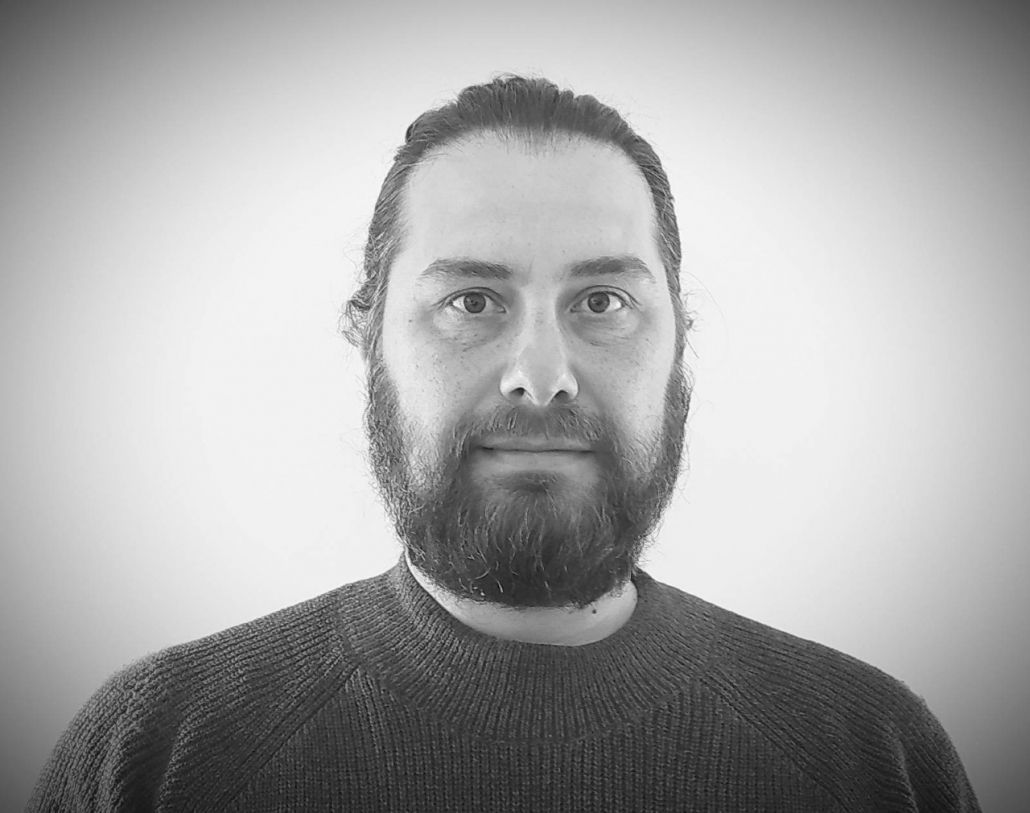
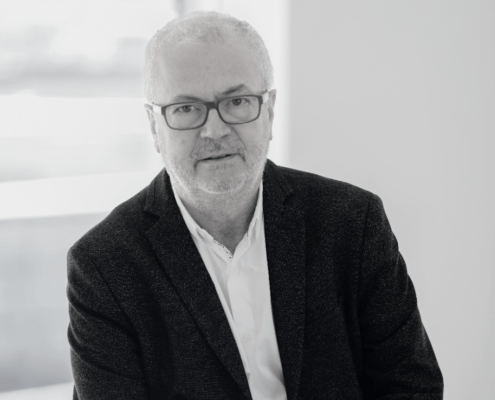
Ricard Faura Cantarell, PhD.

Ricard Faura Cantarell, PhD.

PhD in Social Psychology and anthropologist. In memoriam (1975-2025).

Ricard Faura holds a PhD in social psychology and a master’s degree in anthropology and audiovisual communication. He is a founding member of the Drug Policy Unit at the Autonomous University of Barcelona. He is currently a senior consultant at Episteme, where he has also carried out training work. From the ICEERS Foundation, he builds bridges between diverse cultures that use different traditional plants with psychoactive capacity. He is also an advisor to the Fund for the Conservation of Indigenous Medicines and a collaborating professor at the Open University of Catalonia (UOC), where he has been teaching for 20 years.

Throughout his career, he has evaluated several drug prevention and intervention programmes, mainly from the harm reduction paradigm. In recent years, she has been working with local and international communities to support biocultural conservation and the regeneration of indigenous medicines.

Joan Colom i Farran, PhD

Joan Colom i Farran, PhD

Doctor

Joan Colom i Ferran. Doctor of Public Health, Master‘s Degree in Management from the ESADE Business School, Master’s Degree in Drug Addiction from the University of Barcelona, author of numerous articles and national and international publications in the field of addiction, HIV, STIs, and viral hepatitis, author of numerous communications, member of the World Health Organization, member of 20 scientific societies and commissions, Cruz Blanca al Mérito del Plan Nacional sobre Drogas (White Cross of Merit from the National Plan on Drugs), Reina Sofía Award for Drug Addiction Prevention, Award for Best Research Initiative (Diario Médico), Recognition by the European Assembly of Relations as that of the Barcelona Health Policy, Recognition as good practices on gender violence and drugs by the Ministry of Health, Paolo Pertica Award, granted by Knowledge Action Change for the best Harm Reduction policy in the field of drug addiction in Europe, Award for Professional Excellence from the Barcelona Medical Association. Honorary Member of Socidrogoalcohol and Honorary Member of the Spanish Society of Dual Pathology. Trueta Medal for Health Merit awarded by the Government of Catalonia. Former President (for 18 years) of the ESADE Public Management Club, Founder of INEBRIA (International Network on Brief Interventions for Alcohol & Other Drugs), President and Founder of APN (Alcohol Policy Network).

He has been Director of the WHO Collaborating Center in Catalonia, and until very recently, for more than 40 years, Deputy Director General of Addictions, HIV, STIs, and Viral Hepatitis at the Department of Health of the Generalitat of Catalonia.
Town crier for the Fiesta Mayor, San Magín, and La Pasión de Cervera

Founder of the Youth Assembly, Isagoge, Aquelarre, and the magazine Carreró de las Bruixes de Cervera

Paz Olaciregui Rodríguez, PhD

Paz Olaciregui Rodríguez, PhD

Medical doctor-psychiatrist

Tre Borràs is a doctor-psychiatrist, systemic psychotherapist-family mediator and social educator. He works in the clinic and psychosocial intervention in the field of dog addictions, behavioral addictions and mental health. Throughout his professional career he has directed the Addictions and Mental Health Service at the Hospital Universitario Sant Joan. The Plan of community actions in relation to the use of drugs in Reus (1988-2023). He has participated in various researches, publications and teaching with Grupo Igia, MARC (URV), Fundación ICEERS, Epistem Social among others. It belongs to XADUD and REMA-

Paz Olaciregui Rodríguez, PhD

Paz Olaciregui Rodríguez, PhD

Sociologist and political scientist.

paz.olaciregui@epistemesocial.org

Paz Olaciregui Rodríguez holds a PhD in Sociology and Political Science from the University of Zaragoza, specialising in gender studies. She has a Master’s degree in Sociology of Public and Social Policies from the same University and a Double Degree in Sociology and Political Science from the University Carlos III of Madrid. Convinced of the importance of networking, she has carried out research stays in Mexico (UAM), São Paulo (USP) and Buenos Aires (UBA). She has been a visiting professor at the University of Pennsylvania (Philadelphia), the University of Guelph (Canada) and the School of Criminology of the University of Porto, Portugal. For more than seven years she has focused her research on risk assessment and risk management in cases of gender-based violence from an intersectional perspective. She is a member of the European Feminicide Observatory and of the Teaching Innovation group ‘University in post-pandemic times: innovation, imagination and uncertainty’. She is currently a research professor at the University of Zaragoza.

Paz combines her teaching career with work as an independent professional, including directing the research project for the Government of Aragon on ‘the value of domestic and care work in the Aragonese GDP’ or the development of the protocol on violence for family meeting points. She has collaborated in projects for the European Institute for Gender Equality and the European Commission on legal improvements for victims of feminicide. In Episteme Paz is the delegate of Episteme in Aragon, where she coordinates the study ‘Processes of empowerment and access to rights in (semi) hidden drug-dependent populations. A research oriented to the evaluation of the effectiveness of social and health resources and to the evaluation of the impact of public policies and the pilot programme ‘Community Service. Multi-component programme to reduce the harm associated with alcohol and other drugs’.

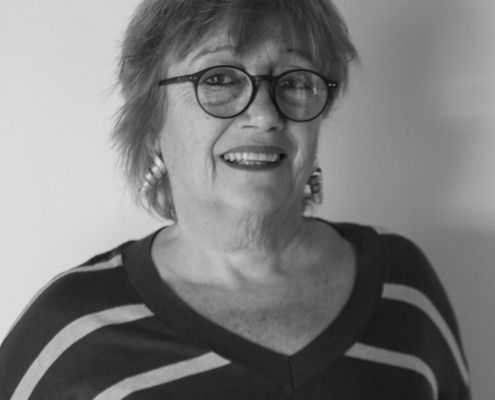
Olatz Ribera Almandoz, PhD

Olatz Ribera Almandoz, PhD

Polical Scientist and Social researcher.

olatz.ribera@epistemesocial.org

Olatz Ribera-Almandoz (Barcelona, 1988) is a political scientist and social researcher. She obtained a Bachelor’s Degree in Political and Administration Sciences from Pompeu Fabra University (UPF, 2010), a Master’s Degree in Applied Social Research Techniques from the University of Barcelona and the Autonomous University of Barcelona (2013), a Master’s Degree in Current Democracies from UPF (2014) and a PhD in Political and Social Sciences from UPF (2019), and is currently a researcher and public and social policy evaluator at Episteme – Social Research and Intervention. She is also an associate researcher at CIDOB (Barcelona Centre for International Affairs) in the area of migration and member of the Johns Hopkins University – Universitat Pompeu Fabra Public Policy Center. Her research uses a critical and comparative approach to examine migration and asylum policies, inequalities in urban settings, and the (new) demands of social justice, welfare and housing. She has previously been a visiting scholar at The University of Manchester and a researcher in public policy analysis in a variety of institutions, including the Institute of Government and Public Policy (IGOP), and the Barcelona Institute of Regional and Metropolitan Studies (IERMB). She co-authored the book Beyond defeat and austerity: Disrupting (the critical political economy of) neoliberal Europe (Routledge, 2018).

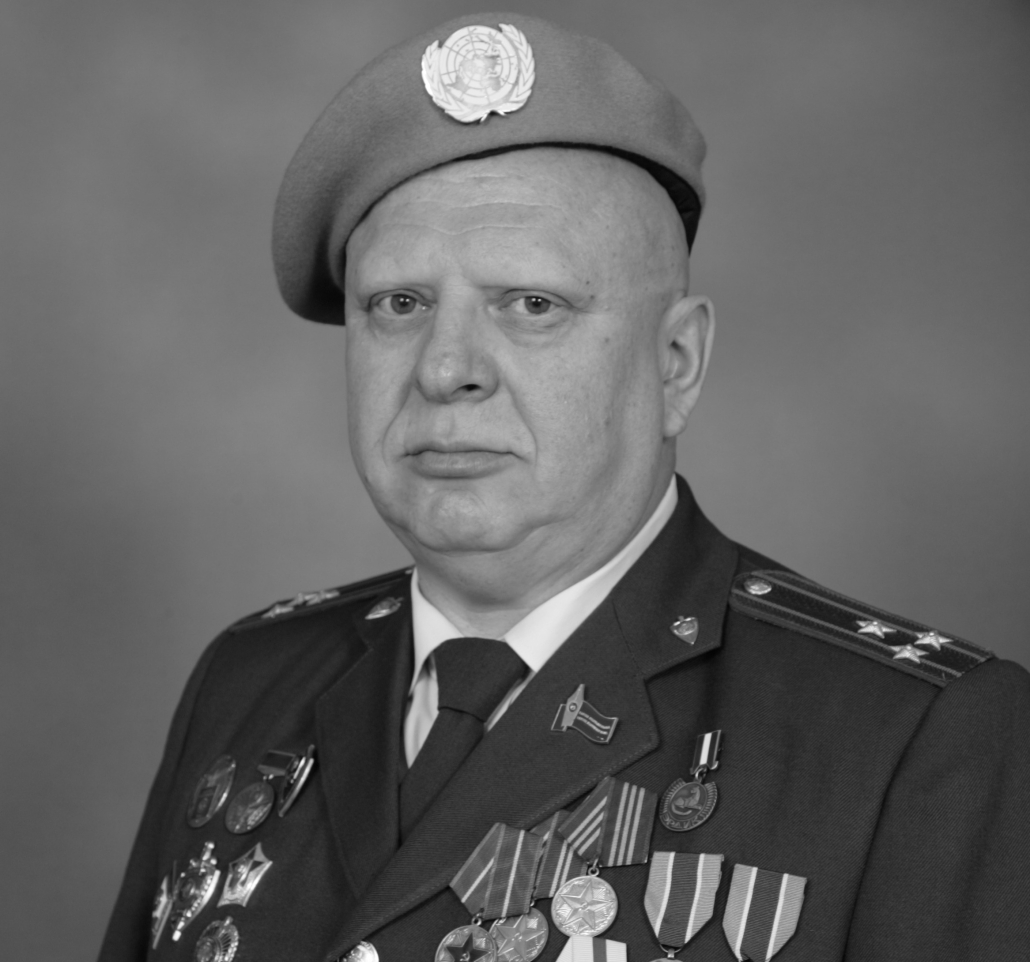
Alexander Zelitchenko, PhD

Alexander Zelitchenko, PhD

Drug policy expert.

Aleksandr Zelichenko, born in 1957 in Kyrgyzstan, Police Colonel (retired), PhD, member of Journalists Association of Kyrgyzstan and National Writers Association of Kyrgyzstan. One of the founders and first leader of the Special Drug Control Service under the Ministry of Internal Affairs, The State Commission on Drug Control under the Government of Kyrgyz Republic. Director of The Central Asian Drug Policy Center. More than 30 years of experience as an Officer in the Kyrgyz State Police at operational, supervisory levels, command level and in police training (1978 – 2007), in a wide range of Police services as Police Drug Control Service, Criminal Police, Community Police and Police Reforming as well as extensive experience in multi-cultural and post conflict environments during Cross-Boarder Cooperation Projects in Central Asian region and Missions in Kosovo, Macedonia and Serbia/Montenegro. In 2000–2004 - member of UN, OSCE Missions to the Balkan countries – Kosovo and Macedonia. Team Leader of the International Police Instructors for the post-conflict area in south Serbia. Trained more than 700 police officers from Kosovo and Serbia in crime prevention, general policing, anti-drug activities and community policing Issues.

2004–2007: International drug-policy expert for IHRD/OSI (New York).

2010 - 2013: Coordinator of EU Central Asian Drug Action Program (CADAP-5).

2015–2018: Coordinator of EU Central Asian Drug Action Program (CADAP-6).

Starting from January 2023 – Expert for EU Central Asian Drug Action Program (CADAP-7).

Author of hundreds articles, essays and stories on subjects of law-enforcement activity against criminal offences, drug-business and terrorism, translated into Russian, English, Kyrgyz, Kazakh, Dungan, Serbian, and Polish. Author of the monograph «History of Afghan narco-expansion of 1990th» (Bishkek, 2003), books «Narco-expansion» (Bishkek, 1997), «Kosovo diary» (Bishkek, 2003), “Saboteur from Murghab”, (Bishkek, 2010), “Our peacekeepers on the Balkans”, (Moscow, 2007, Belgrade, 2007), “Heroin: Formula 1” (Bishkek 2009), number of analytical reviews for some popular magazines, e.g. «International Police Review» (London, UK), «The Central Asia and Caucasus» (Sweden), collections of articles, published in Kyrgyzstan, Kazakhstan, Great Britain, Israel, Poland, Serbia, Sweden, USA, Ukraine and Russia.

PhD - Completed a research, focused on the roots and history of Afghan narco-expansion.

Awarded with 24 medals, including two UN Medals for peacekeeping service, Kyrgyz State Governmental Medal "Erdik”, Medal from Drug Enforcement Agency of The Kyrgyz Republic for Outstanding Contribution in the Field of Drug Law Enforcement.

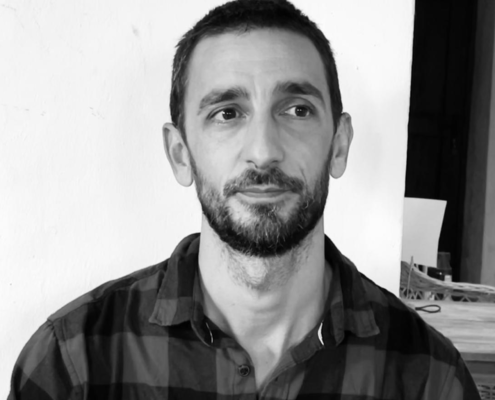
Nico Piñeiro López, MSc

Nico Piñeiro López, MSc

Anthropologist and social educator

nico.pineiro@epistemesocial.org

Nicolás Piñeiro (1983) is an Anthropologist and Social Educator. For the last twenty years he has worked in different projects focused on intervention with people in situations of social vulnerability, mainly in the fields of Harm Reduction with people who use drugs and in the context of children and adolescents at risk of exclusion. Her participation in these realities has focused both on direct intervention (Outreach programmes, Day Centres and Mobile Units) and on the design, evaluation and implementation of programmes aimed at having a positive impact on the target populations.

Since 2018 she has combined her work in disadvantaged contexts with teaching at different universities (UOC, UPF) and training for social sector entities, as well as participating in various research initiatives and development of educational content related to phenomena related to the use of psychoactive substances.

Marta Civill Cortada

Marta Civill Cortada

Social and cultural anthropologist

marta.civill@epistemesocial.org

Marta Civill Cortada (Vilafranca del Penedès, 1999) has a degree in Social and Cultural Anthropology from the Autonomous University of Barcelona (UAB, 2021) with a mention in Anthropological Applications, Environment and Society. Trained in conflict resolution (2018) and as a mentor by the Catalan Refugee Program of the Generalitat de Catalunya (2016). She began her career in the social field as a social assistant at the Social Emergencies Center of Barcelona (2022). Then she began to work as a social scientist (2022), as a technician of research projects and social action in high complexity housing field and in the sociocultural field working with Roma community. She is currently working in Episteme as a Program Technician, where he has carried out numerous projects in the field of Local Drug Plans and in the field of research into substance and behavioural addictions.